
Carp and pike represent the two most widely targeted species in Polish freshwater. Between them they cover a broad range of fishing styles — from the methodical, long-session carp fishing practised on Mazurian lakes and southern reservoirs, to the active, mobile approach used for pike on rivers and in the reed-lined bays of larger still waters. The tackle requirements for each are quite different, and the two species are rarely targeted with the same setup.
Carp Fishing: Rod and Reel Selection
Polish carp anglers broadly follow the same tackle framework that has become standard across European carp fishing, with some adaptations for local conditions.
Rods
For open still-water carp fishing — the dominant scenario on Polish lakes and reservoirs — a rod of 12 feet (3.6 m) with a test curve of 2.75 to 3.25 lb is the standard choice. This range handles most casting distances and gives enough backbone for playing fish in weedy conditions.
On rivers with current, particularly the middle Vistula where long-distance feeder fishing is common, a longer feeder rod of 13–14 feet with a medium-heavy tip rating produces better bite indication and handles the additional weight of the feeder in flowing water. For short-range fishing on small ponds or enclosed fish ponds, a lighter 2 to 2.5 lb test curve rod is more pleasant to use and still adequate for fish up to 10 kg in open water.
Reels
A bait-runner (free-spool) reel in the 5000–6000 size range is well suited to most Polish carp fishing. The free-spool function allows fish to run with the bait before the clutch engages — an important feature when fishing bolt-rig setups where the fish hooks itself. Look for a smooth front drag that can be pre-set to a safe running pressure for the line in use.
On the Vistula and similar large rivers, current creates additional strain on the line and reel. A reel with a reliable anti-reverse mechanism and a high line capacity (at least 200 m of 0.30 mm monofilament) is the minimum specification for serious river carp fishing.
Line
The choice between monofilament, fluorocarbon, and braided main line depends on the venue. On still waters with a soft silty substrate — typical of many Mazurian lakes — a monofilament main line of 0.28–0.35 mm diameter is the default. Mono stretches under pressure, which acts as a shock absorber when playing fish on the surface. It also sinks readily, lying flat on the lakebed and reducing drag from sub-surface tow.
Braided main line in the 0.16–0.20 mm range offers much higher breaking strength and near-zero stretch, making it the preferred choice on venues with clear, hard bottoms or when fishing at very long range where bite detection through mono becomes sluggish. However, braid on the surface in clear water is highly visible, and many carp anglers switch to a fluorocarbon leader of 4–8 m when using braid on pressured, clear-water venues.
Carp Rigs
Rig design in Polish carp fishing has broadly adopted the developments that originated in Western European angling, though a pragmatic rather than trend-driven approach prevails on most club waters.
The Hair Rig
The hair rig — a short extension of stiff or supple hooklink material that suspends the bait just below the bend of the hook — is the foundation of modern carp fishing. The separation of hook and bait causes the fish to inhale bait and hook together; when the fish tries to eject the rig, the hook rotates and catches in the lip. This self-hooking mechanics is the basis of virtually all bottom-bait carp setups used in Poland.
The hooklink is typically 10–20 cm of coated braid or stiff monofilament (fluorocarbon), attached to a lead system via a swivel. Most anglers use a lead clip or inline lead arrangement that allows the lead to eject if the main line is snagged, reducing the risk of crack-offs leaving fish trailing lead weights.
The Method Feeder
On commercial fish ponds and club waters where casting range is limited, the method feeder — a flat-sided or cage feeder packed with groundbait and fished with a very short hooklink — is the dominant approach. The feeder sits on the bottom surrounded by a ball of groundbait; carp feeding on the groundbait encounter the hookbait and hook themselves against the weight of the feeder. This method works particularly well in summer on smaller Polish fish ponds where carp are conditioned to feeding on pellet-based groundbait.
Carp Baits
Boilies
Round, boiled paste balls made from fishmeal, semolina, or soya flour are the standard long-session carp bait across Poland. They resist small nuisance fish, hold together on the hair for hours, and can be pre-baited to establish a feeding spot over several sessions. The most productive flavour profiles on Polish waters tend to be fishmeal-based and spicy-savoury rather than sweet fruit flavours, though preferences vary by region and season.
Recommended sizes range from 14 mm in summer (smaller bait, faster attraction) to 18–20 mm in autumn when bigger fish are targeted and smaller fish need to be deterred.
Maize and Tigernuts
Particle baits remain popular on Polish club waters, particularly among anglers who fish on a budget or prefer a more natural bait approach. Prepared maize (corn) — boiled until swollen, soaked in additives, and served on the hair or directly on the hook — is one of the most effective summer carp baits in Poland. Tigernuts, prepared the same way, are used less widely but can be particularly effective on pressured waters where fish have become wary of boilies.
Pellets
On commercial fish ponds where fish are regularly fed with trout or carp pellets as part of fishery management, fishing with the same pellet on a hair rig or method feeder is often the highest-percentage approach. Pre-drilled pellets of 8–14 mm can be mounted directly on the hair. Softer pellets can be pressed onto a bait band or impaled directly on a wide-gape hook.
Pike Fishing: Tackle Selection

Spinning and Lure Fishing
Lure fishing is the dominant approach for pike in Poland, particularly on rivers and in the shallower bays of larger lakes. A medium-heavy spinning rod of 2.1–2.4 m with a casting weight range of 20–80 g covers the majority of scenarios. This specification handles the full range of lures commonly used for Polish pike — from 10 g metal spoons to 60 g weighted jerkbaits.
A baitcasting or spinning reel in the medium-to-large category (4000 size spinning reel, or a low-profile baitcaster with 40–60 mm spool) loaded with 0.18–0.22 mm braided line is the standard combination. Braid transmits lure vibration directly to the rod tip and allows the angler to feel bottom structure and snags, which is valuable on the gravel- and snag-strewn river beds where pike are often found. A 30–40 cm wire or heavy fluorocarbon (0.40–0.50 mm) trace is essential — pike teeth will cut through any lighter material without a trace.
Lure Types and Seasonal Relevance
Metal spoons (silver or gold, 15–30 g) remain reliable all-round lures for open-water pike, particularly on rivers in early autumn. Their wide wobble and flash produce reaction strikes from pike that have seen few lures.
Soft-plastic lures on weighted jig heads (5–20 g) have become increasingly popular and account for many of the larger pike caught on Polish rivers. A 15–20 cm paddle-tail shad or swimbait retrieved just above the river bed covers the bottom third of the water column where large pike often lie. Natural colour patterns — perch stripes, silver-white, olive-green — tend to outperform garish colours on clear-water venues.
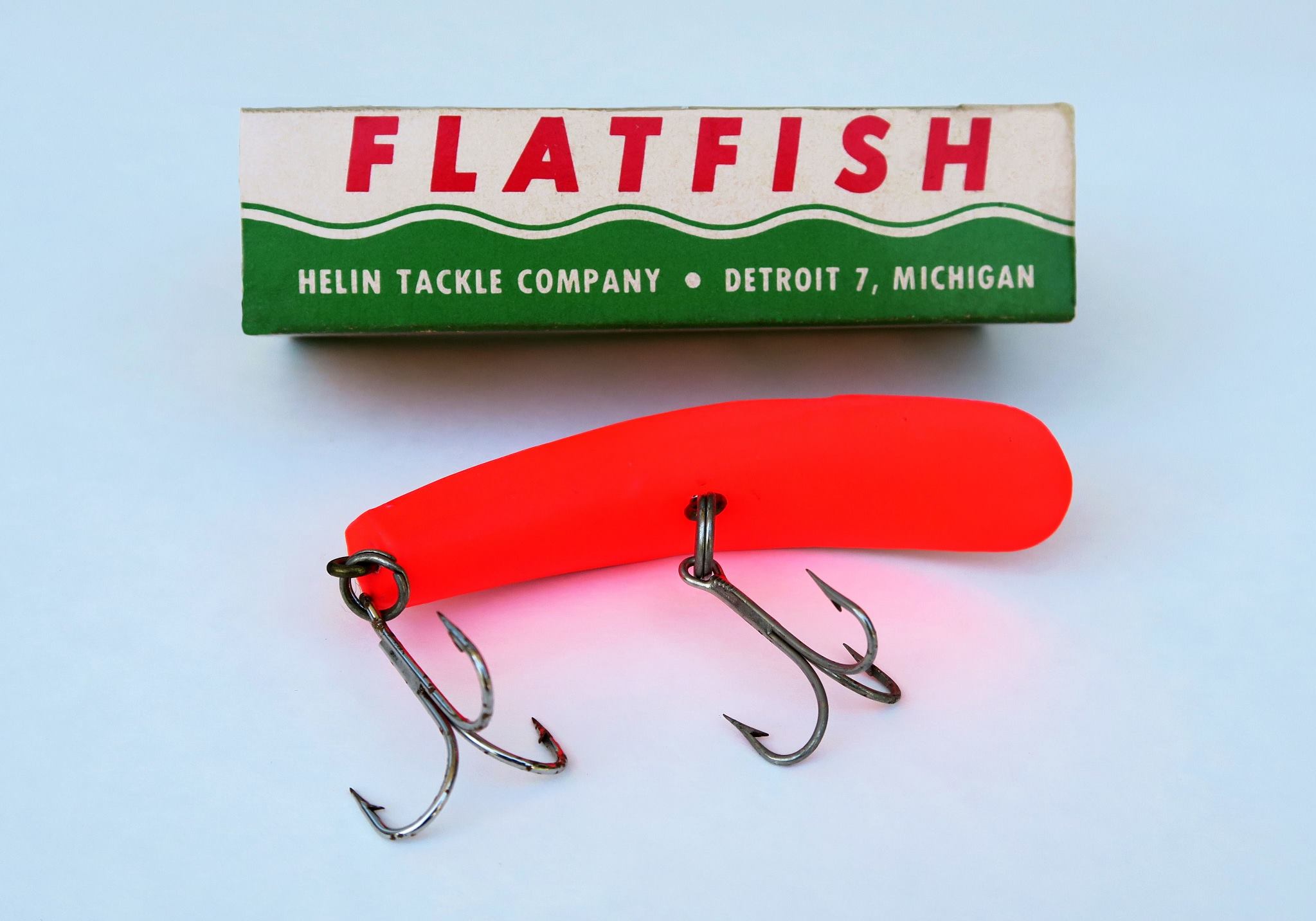
Jerkbaits (hard-bodied, often unpainted or lightly coloured, fished with sharp rod jerks on a slack line) are the specialist choice for large pike in late autumn on still waters. They work best in water temperatures below 12°C when pike are most aggressive and willing to follow and strike a large, erratic lure.
Deadbait and Livebait Fishing
Fishing with static or semi-static fish bait under a float or on a leger rig accounts for a significant proportion of pike catches on Polish still waters, particularly in the Mazurian lake district where boat fishing from moored or drifting boats is commonplace.
Roach, small bream, and smelt are the most commonly used deadbaits. Fish of 100–200 g are a practical size — large enough to deter perch from stealing the bait, small enough for even a modest pike to take confidently. Fresh deadbaits outperform frozen-and-thawed baits on most Polish venues.
Livebait fishing is legally permitted in Poland but subject to the same regulations on bait-fish species as all other fishing. Only species without their own closed season or minimum size restriction may be used as livebait without additional restrictions.
Trace reminder: Under Polish PZW rules on most managed pike waters, a wire or multi-strand steel trace is required when fishing for pike with any bait. Fishing without a trace risks leaving hooks inside a deeply-taken fish — a welfare issue that many clubs treat as a rule violation.
Seasonal Overview
Polish water temperatures follow a continental pattern: cold winters with ice on northern lakes from December to February, rapid spring warming from March to May, warm summers with peak temperatures in July and August, and a distinct autumn cooling phase from September to November.
For carp, the most productive fishing windows are late May to June (pre-spawn feeding) and September to October (pre-winter feeding). July and August can be productive on deeper lakes where water temperature in the lower layers stays below 22°C.
For pike, the post-spawn period (May, once the national closed season ends on 1 May) and October–November represent the two most consistent periods for quality fish. Winter lure fishing for pike remains legal and productive in areas without ice cover.

